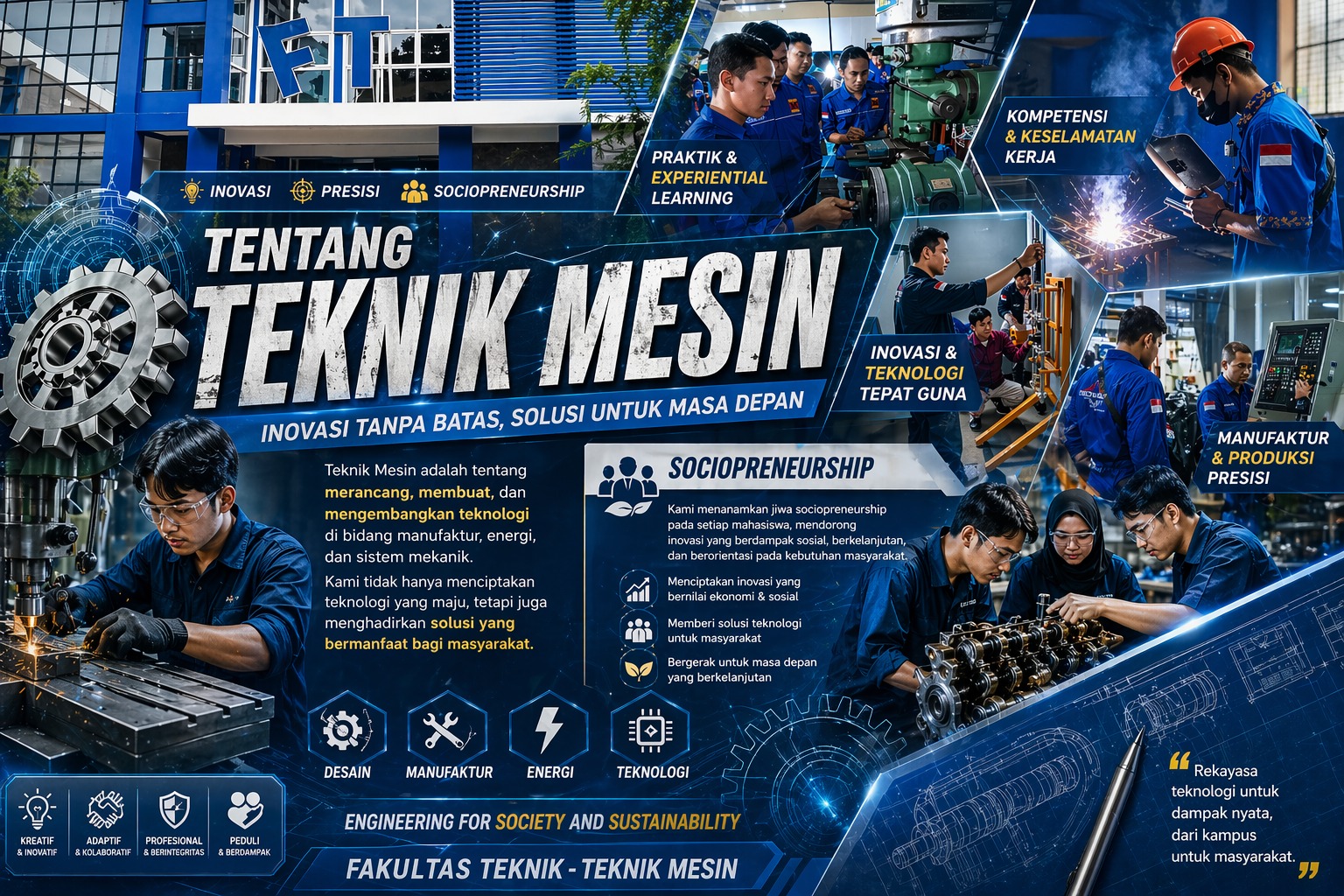
Program Details
| Program Name | Mechanical Emgineering (Accreditation: Very Good) |
| Degree | Bachelor of Engineering (S.T.) |
| Duration | 4 Years (8 Semesters) |
| Requirements | High School (Science/ Engineering) or equivalent |
| Campus Location | Universitas Wijaya Putra – Surabaya |
| Faculty | Faculty of Engineering |
| Laboratory Facilities | Manufacturing Process Laboratory Welding Engineering Laboratory CNC (Computer Numerical Control) Laboratory Internal Combustion Engine Laboratory Engineering Materials Laboratory Electrical Power Engineering Laboratory Engineering Physics Laboratory Mechanical Vibration Laboratory Fluid Mechanics Laboratory Visualization and Modeling Laboratory Refrigeration Engineering Laboratory Technical Drawing Laboratory |
| Supporting Facilities | Supporting Facilities Lecture Halls Library Faculty Office Program Chair’s Office Parking Area Sports Area Display Area Canteen Place of Worship |
| Contact | Phone: Fax: - Email: [email protected] Website: https://mesin.uwp.ac.id/ |
| Career Paths for Graduates | Manufacturing Engineer Design Engineer Energy Engineer Maintenance Engineer Quality Control / Quality Assurance Engineering Supervisor / Manager Engineering Consultant |
Vision of the Mechanical Engineering Program
To become a leading Mechanical Engineering Program in the field of innovative and competitive mechanical and energy engineering, with a sociopreneurship and sustainability perspective by 2030.
Mission of the Mechanical Engineering Program
Graduate Competencies:
Achievements :
|
Student Achievements : |
|||
|
Year |
Activity |
Title |
Team / Lecturer |
|
2024 |
National
Innovillage |
Solar-Powered IoT Pest Trap |
Freddy Setyo Putro |
|
2024 |
National
Innovillage |
IoT Eco Burner |
Lalu Mas Pandji |
|
2024 |
PPK Ormawa |
Management of Adolescent Health Posts |
Moh. Ali Hisam et al. |
|
2023 |
PPK Ormawa |
Circular Energy Waste Management |
Giri Nata Adi Kusuma |
|
2022 |
National Innovillage |
IoT Solar-Powered Leaf Dryer |
Septian Adi Raharjo |
|
2022 |
National Innovillage |
Digital Renewable Energy Aquaponics |
Giri Nata Adi Kusuma |
|
Faculty Research Achievements |
|||
|
Year |
Scheme |
Title |
Lecturers |
|
2025 |
Downstream Research |
Multi-Tiered Used Oil Stove |
Slamet Riyadi |
|
2025 |
Fundamental Research |
Circular Economy Waste Recycling |
Slamet Riyadi |
|
2025 |
Fundamental Research |
Biodiesel from Used Cooking Oil |
Gatot Setyono |
|
2024 |
Matching Fund |
Batik Aromatherapy Machine |
Siswadi |
|
2024 |
PDP |
Utilization of Incineration Ash |
Muharom |
|
2024 |
PTB |
Sunflower Seed Coffee Business Model |
Mochammad Muchid |
|
2024 |
Prototype |
Milk Pasteurization Machine |
Slamet Riyadi |
|
2023 |
Prototype |
Solar Panel Biodiesel Machine |
Gatot Setyono |
|
2023 |
PDUPT |
Biofuel as Fuel |
Gatot Setyono |
|
2023 |
PTB |
Coffee Bean Business Model |
Mochammad Muchid |
|
|
|||
|
Faculty Community Service Achievements |
|||
|
Year |
Scheme |
Title |
Chairperson |
|
2025 |
PKM |
Batik Green Management in Jombang Regency |
Siswadi |
|
2025 |
PKM |
Eco-Edutourism Village for
Organic Crops & Waste Management |
Alfi Nugroho |
|
2025 |
PKM |
Styrofoam Recycling Based on the
Green Economy in Beton Village |
Gatot Setyono |
|
2025 |
PKM |
Technology-Based Home Industry
in Tembarak Village |
Muharom |
|
2025 |
PKM |
Branding of Opak Jepit Business
Based on Green Economy |
Navik Kholili |
|
2025 |
PKM |
Digital Marketing of Corn Chips
from Gundul Hamlet |
Alfi Nugroho |
|
2025 |
PKM |
Branding of Jombangan Batik Products |
Siswadi |
|
2025 |
PKM |
Development of a Traditional Cake Business |
Navik Kholili |
|
2025 |
PKM |
Potato Donut Business in Pakal
Subdistrict, Surabaya |
Dwi Khusna |
|
2025 |
PKM |
Halal Lean Bread MSME in Gilang
Village, Lamongan |
Dwi Khusna |
|
2024 |
PKM |
Alat Musik Rebana Berbasis
Digital Economy |
Mochammad Muchid |
|
2024 |
PKM |
Digital Economy-Based Rebana Musical Instrument |
Siswadi |
|
2024 |
PKM |
Bunga Telang & Moringa Leaf
Crackers |
Alfi Nugroho |
|
2024 |
PKM |
Clean Water Management in Wringin Kurung Village |
Alfi Nugroho |
|
2024 |
PKM |
Technology-Based Home Industry
in Tembarak Village |
Muharom |
|
2024 |
PKM |
Wader Drying Technology in
Sidoarjo |
Wahyu Nugroho |
|
2024 |
PKM |
Wood and Resin Crafts for
Tourism |
Navik Kholili |
|
2023 |
PKM |
Digital
Economy-Based Rebana Musical Instrument
|
Mochammad Muchid |
|
2023 |
PKM |
Green Economy-Based Opak
Jepit Business |
Mochammad Muchid |
|
2023 |
PKM |
Green Management-Based
Batik |
Siswadi |
The curriculum of the Mechanical Engineering Study Program at Wijaya Putra University is designed to produce graduates with outstanding competencies in the field of mechanical engineering, including mechanical design, manufacturing technology, engineering materials, and energy conversion engineering. This curriculum is developed in accordance with national higher education standards and the needs of the business and industrial sectors, utilizing an Outcome-Based Education (OBE) approach focused on graduate learning outcomes (GLOs). The curriculum structure comprises a total of approximately 144 credit hours, which can be completed within the standard duration of 8 semesters (4 years). The learning process is systematically designed through a combination of theoretical lectures, laboratory practicals, case studies, and Project-Based Learning (PBL), enabling students to comprehensively understand concepts while applying them to solve real-world engineering problems. The UWP Mechanical Engineering Program curriculum excels in the integration of four core disciplines: manufacturing, engineering materials, energy conversion engineering, and mechanical design, which are mutually integrated to foster holistic graduate competencies. In the field of mechanical design, students are equipped with the ability to design mechanical products and systems using CAD/CAE software. In the field of manufacturing, students study modern production processes, including CNC technology and industrial automation. Meanwhile, in the field of engineering materials, students understand the characteristics and selection of materials for various engineering applications. In the field of energy conversion, students are equipped with an understanding of energy systems, thermal machinery, and sustainable energy development. Additionally, the curriculum integrates concepts of social entrepreneurship and sustainability into the learning process, ensuring graduates not only possess technical skills but are also capable of creating innovations with economic value and social impact. This aligns with Universitas Wijaya Putra’s vision for research-based education and social entrepreneurship development toward 2030. To support curriculum implementation, the UWP Mechanical Engineering Program is supported by various laboratory facilities, such as manufacturing process, CNC, engineering materials, internal combustion engines, fluid mechanics, and design and visualization laboratories. These facilities allow students to conduct hands-on experiments, simulations, and testing, thereby enhancing graduates’ technical skills and work readiness. With an adaptive, practical, and industry-oriented curriculum, the Mechanical Engineering Program at Wijaya Putra University is expected to produce competent, innovative graduates who are ready to contribute to technological development and sustainable industry at both the national and global levels.
|
No |
Semester |
Code Course |
Course |
Credit Hours |
|
1 |
1 |
00A001 |
Religion |
2 |
|
2 |
51C047 |
English |
2 |
|
|
3 |
00A012 |
Indonesian |
2 |
|
|
4 |
51C048 |
Biology |
3 |
|
|
5 |
51C049 |
Chemistry |
3 |
|
|
6 |
51C050 |
Physics 1 |
3 |
|
|
7 |
51C051 |
Mathematics 1 |
3 |
|
|
8 |
51C052 |
Technical Drawing |
2 |
|
|
Sub Total |
20 |
|||
|
|
||||
|
No |
Semester |
Code Course |
Course |
Credit Hours |
|
1 |
2 |
51C053 |
Physics 2 |
3 |
|
2 |
51C054 |
Mathematics 2 |
3 |
|
|
3 |
51C055 |
Engineering Materials 1 |
2 |
|
|
4 |
51C056 |
Strength of Materials 1 |
3 |
|
|
5 |
51C057 |
Kinematics & Dynamics 1 |
2 |
|
|
6 |
51C058 |
Statics and Probability |
3 |
|
|
7 |
50B001 |
Technopreneurship |
2 |
|
|
8 |
51C059 |
Mechanical Drawing Assignment |
1 |
|
|
Sub Total |
19 |
|||
|
No |
Semester |
Code Course |
Course |
Credit Hours |
|
1 |
3 |
51C060 |
Mathematics 3 |
3 |
|
2 |
51C061 |
Engineering Materials 2 |
2 |
|
|
3 |
51C062 |
Strength of Materials 2 |
3 |
|
|
4 |
51C063 |
Kinematics & Dynamics 2 |
2 |
|
|
5 |
51C064 |
Engineering Thermodynamics 1 |
3 |
|
|
6 |
51C065 |
Fluid Mechanics 1 |
3 |
|
|
7 |
51C066 |
Heat and Mass Transfer 1 |
2 |
|
|
8 |
51C067 |
Machine Elements 1 |
2 |
|
|
9 |
51C068 |
Physics Lab |
1 |
|
|
Sub Total |
21 |
|||
|
|
||||
|
No |
Semester |
Code Course |
Course |
Credit Hours |
|
1 |
4 |
51C069 |
Engineering Thermodynamics 2 |
3 |
|
2 |
51C070 |
Fluid Mechanics 2 |
3 |
|
|
3 |
51C071 |
Heat and Mass Transfer 2 |
2 |
|
|
4 |
51C072 |
Manufacturing Processes 1 |
2 |
|
|
5 |
51C073 |
Mechanical Vibrations |
2 |
|
|
6 |
51C074 |
Machine Elements 2 |
2 |
|
|
7 |
51C075 |
Computer Programming and Numerical Methods |
2 |
|
|
8 |
51C076 |
Mathematics 4 |
3 |
|
|
9 |
51C077 |
Engineering Materials Laboratory |
1 |
|
|
Sub Total |
20 |
|||
|
No |
Semester |
Code Course |
Course |
Credit Hours |
|
1 |
5 |
51C078 |
Manufacturing Processes 2 |
2 |
|
2 |
50B001 |
Professional Ethics |
2 |
|
|
3 |
51C079 |
Machine Maintenance and Condition Monitoring |
3 |
|
|
4 |
51C080 |
Mechatronics |
2 |
|
|
5 |
51C081 |
Energy Conversion Machinery |
3 |
|
|
6 |
51C082 |
Electrical Power Engineering |
2 |
|
|
7 |
51C083 |
Control Systems |
3 |
|
|
8 |
51C084 |
Engineering Measurements |
2 |
|
|
9 |
51C085 |
Mechanical Vibrations Lab |
1 |
|
|
Sub Jumlah |
20 |
|||
|
|
||||
|
No |
Semester |
Code Course |
Course |
Credit Hours |
|
1 |
6 |
51C086 |
Student Work Experience Program (KKM) |
2 |
|
2 |
51C087 |
Machine Visualization and Modeling |
2 |
|
|
3 |
51C088 |
Internship |
2 |
|
|
4 |
51C089 |
Occupational Health, Safety, and Environmental Protection (K3LL) |
2 |
|
|
5 |
51C090 |
Welding Engineering |
2 |
|
|
6 |
51C091 |
Mechanical Design |
2 |
|
|
7 |
00A014 |
Civics |
2 |
|
|
8 |
51C091 |
Manufacturing Processes Lab |
1 |
|
|
9 |
51C092 |
Thermal Fluids Lab |
1 |
|
|
10 |
51C093 |
Electrical Power Engineering Lab |
1 |
|
|
11 |
51C094 |
Energy Conversion Machinery Lab |
1 |
|
|
Sub Total |
18 |
|||
|
No |
Semester |
Code Course |
Course |
Credit Hours |
|
1 |
7 |
00A009 |
Anti-Corruption Education (PAK) |
2 |
|
2 |
00A013 |
Pancasila |
2 |
|
|
3 |
51C095 |
Engine Design Assignment |
2 |
|
|
4 |
51C096 |
Research Methodology |
3 |
|
|
5 |
51C097 |
Hydraulic Pneumatics |
3 |
|
|
6 |
51C098 |
Internal Combustion Engines |
3 |
|
|
7 |
51C099 |
Elective Course 1 |
2 |
|
|
8 |
51C100 |
Engine Visualization and Modeling Lab |
1 |
|
|
9 |
51C101 |
Welding Techniques Lab |
1 |
|
|
Sub Total |
19 |
|||
|
|
||||
|
No |
Semester |
Code Course |
Course |
Credit Hours |
|
1 |
8 |
51C102 |
Final Project |
5 |
|
2 |
51C103 |
Elective Course 2 |
2 |
|
|
Sub Total |
7 |
|||
|
Total Credits Required for Graduation |
144 |
|||
|
No |
Semester |
Code Course |
Elective Course |
Credit Hours |
|
1 |
7 |
51C104 |
Corrosion Prevention |
2 |
|
2 |
51C105 |
Composites and Polymers |
2 |
|
|
3 |
51C106 |
Machining Processes |
2 |
|
|
4 |
51C107 |
Turbines |
2 |
|
|
5 |
51C108 |
Material Handling Equipment |
2 |
|
|
6 |
51C109 |
Industrial Automation |
2 |
|
|
Sub Total |
12 |
|||
|
|
||||
|
No |
Semester |
Code Course |
Elective Course |
Credit Hours |
|
1 |
8 |
51C110 |
Heat Treatment |
2 |
|
2 |
51C111 |
Refrigeration Engineering |
2 |
|
|
3 |
51C112 |
Design Optimization |
2 |
|
|
4 |
51C113 |
Combustion and Fuel Engineering |
2 |
|
|
5 |
51C114 |
Foundry Engineering |
2 |
|
|
6 |
51C115 |
Forming Engineering |
2 |
|
|
Sub Total |
12 |
|||
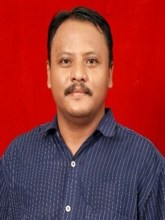 Gatot Setyono, ST, MT. |
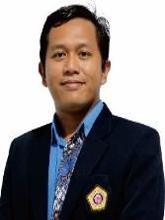 Alfi Nugroho, ST, MT. |
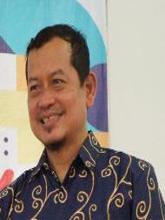 Dwi Khusna, ST, MT. |
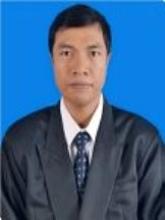 Muharom, ST, MT. |
 Navik Kholili, ST, M.Sc. |
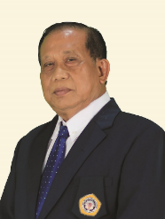 Siswadi, ST, M.Si. |
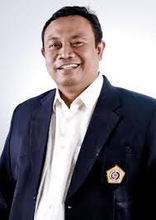 Slamet Riyadi, ST, MT. |
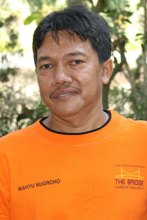 Wahyu Nugroho, ST, MM. |


